
Harm Reduction
Supporting safer, healthier communities through education, resources, and access to life-saving services. Learn more about our harm reduction programs and how we can help.
- Home
- Harm Reduction
WHAT IS HARM REDUCTION?
Lincoln County Harm Reduction Initiative
Our Harm Reduction program is a vital component of Lincoln County’s public health efforts, focusing on preventing the spread of infectious diseases such as HIV and Hepatitis C among people who inject drugs. Kentucky has one of the highest rates of acute Hepatitis C in the nation, with a rate of 2.4 to 11.9 cases per 100,000 population. (Source: CDC)
Overdose Prevention Education and Naloxone
Education and Vaccination
Harm Reduction Education
Sterile Syringes and Safe Disposal
Testing and Linkage to Treatment
Fentanyl Testing Strips
CRITICAL INFORMATION
Opioid Addiction
Opioid addiction has deeply impacted communities across Kentucky, contributing to a public health crisis that affects individuals and families alike. Here are some key points about the state’s ongoing battle with opioid addiction:
- High Overdose Rates: Kentucky consistently ranks among the states with the highest rates of opioid-related overdoses. In 2021 alone, over 2,000 Kentuckians lost their lives to drug overdoses, with opioids being the leading cause.
- Fentanyl’s Role: Synthetic opioids like fentanyl are a significant driver of overdose deaths in Kentucky. Fentanyl is 50 to 100 times more potent than morphine, making even small amounts potentially lethal.
- Rural Impact: Kentucky’s rural areas have been disproportionately affected due to limited access to addiction treatment and healthcare resources.
- Youth and Families: The opioid epidemic has led to an increase in neonatal abstinence syndrome (NAS) among newborns exposed to opioids in utero, as well as significant burdens on families and child welfare systems.
Despite these challenges, Kentucky is actively addressing the crisis through harm reduction programs, expanded access to treatment, and public education campaigns. By recognizing the signs of addiction and providing compassionate support, we can help individuals on their journey to recovery and create healthier communities.
OVERDOSE PREVENTION EDUCATION
Signs of Opioid Overdose
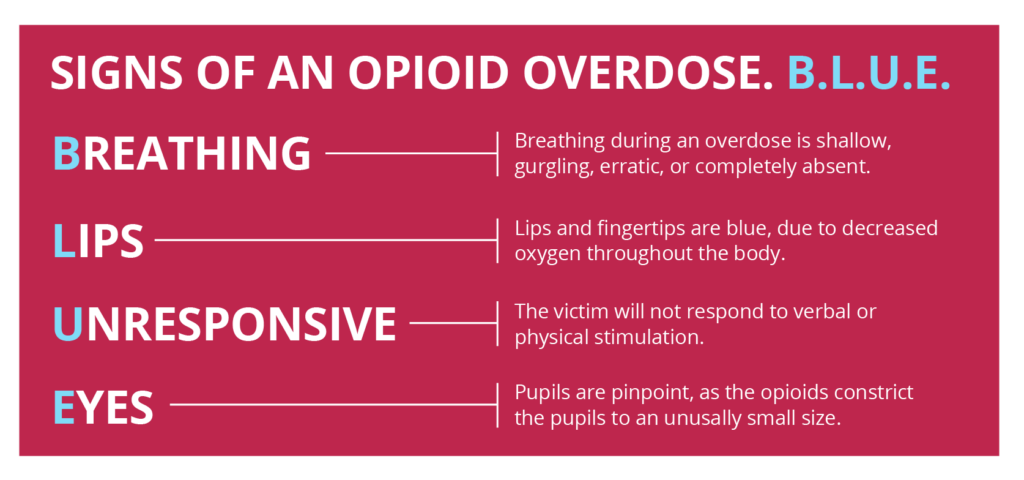
Being able to identify the signs of an opioid overdose can save a life. If you notice any of the following symptoms, call 911 immediately and administer naloxone if available:
- Slow or Shallow Breathing: Breathing may become irregular, very slow, or completely stop.
- Unresponsiveness: The person may not wake up or respond to loud noises, shaking, or pain.
- Blue or Gray Skin Tone: Lips and fingertips may turn blue, gray, or purple due to a lack of oxygen.
- Pinpoint Pupils: The pupils become unusually small, resembling pinpoints.
- Choking or Gurgling Sounds: This may indicate airway blockage or difficulty breathing.
- Limp Body: The person may appear very weak or lifeless.
- Cold or Clammy Skin: Skin may feel cold to the touch, and there could be excessive sweating.
NALOXONE OVERDOSE RESPONSE EDUCATION
What is Naloxone?
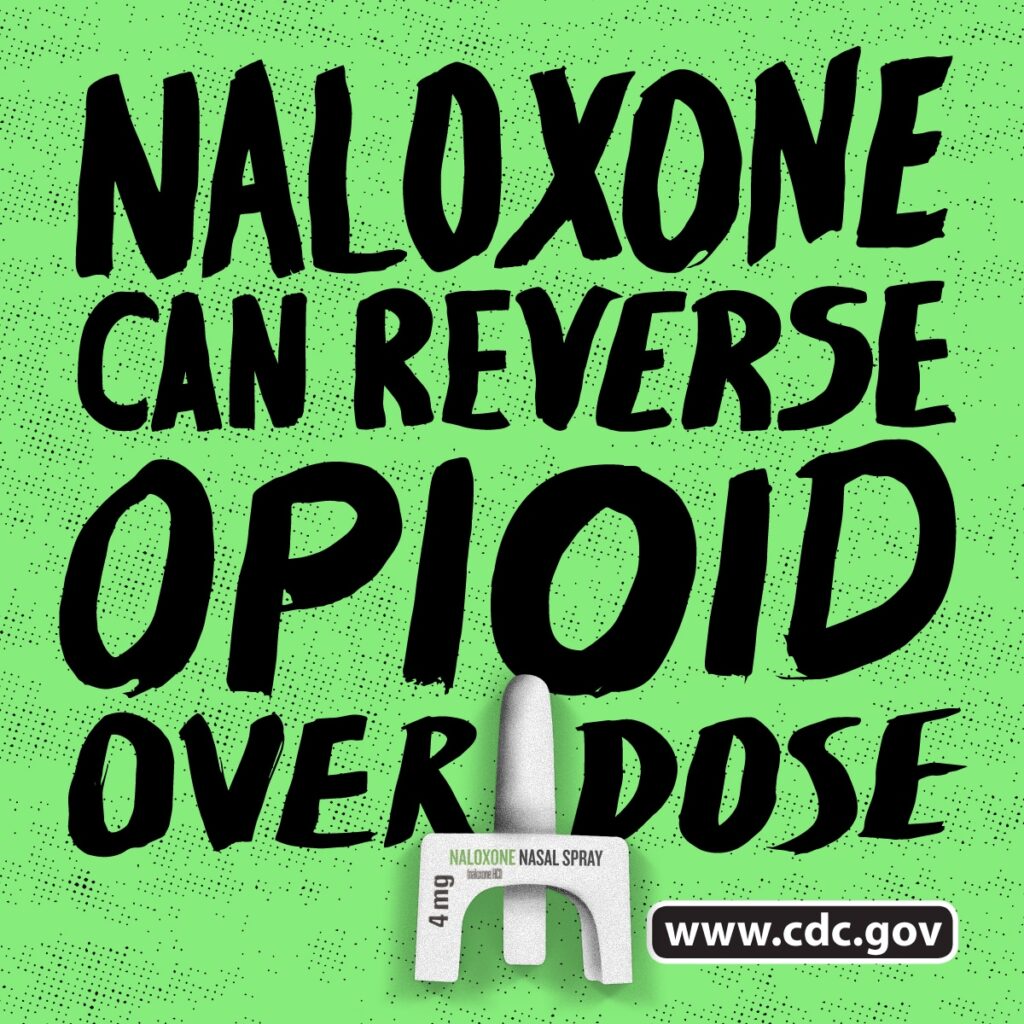
Naloxone is a life-saving medication that temporarily reverses the effects of an opioid overdose by blocking opioids’ impact on the brain. It can quickly restore breathing and consciousness, offering a critical window of time to save a life. Administering naloxone promptly during an overdose can prevent death.
To access naloxone at no cost, visit www.FindNaloxoneNowKY.org.
OVERDOSE PREVENTION EDUCATION
How Is Naloxone Administered?
Naloxone is easy to use, even in emergencies, and can save lives.
Prepare the Naloxone
- Nasal Spray: Remove it from the packaging. Do not test or prime it.
- Injectable: Draw the correct dose into the syringe if needed.
Administer the Naloxone
- Nasal Spray: Tilt the head back, insert the nozzle into one nostril, and press the plunger.
- Injectable: Inject into a large muscle like the outer thigh or upper arm, even through clothing if necessary.
Monitor and Repeat if Necessary
- The person should respond within 2-3 minutes.
- If there’s no improvement or symptoms return, give another dose every 2-3 minutes until help arrives.
Stay with the Person
Keep them safe and monitor their breathing until emergency medical services arrive.